FC—04THE ECONOMY OF ROBOTS
OpenJobRobotics
Robots bring skills. People bring ambition.
JOB AND SKILLS MARKET FOR ROBOTS
Let the next robot job begin here.
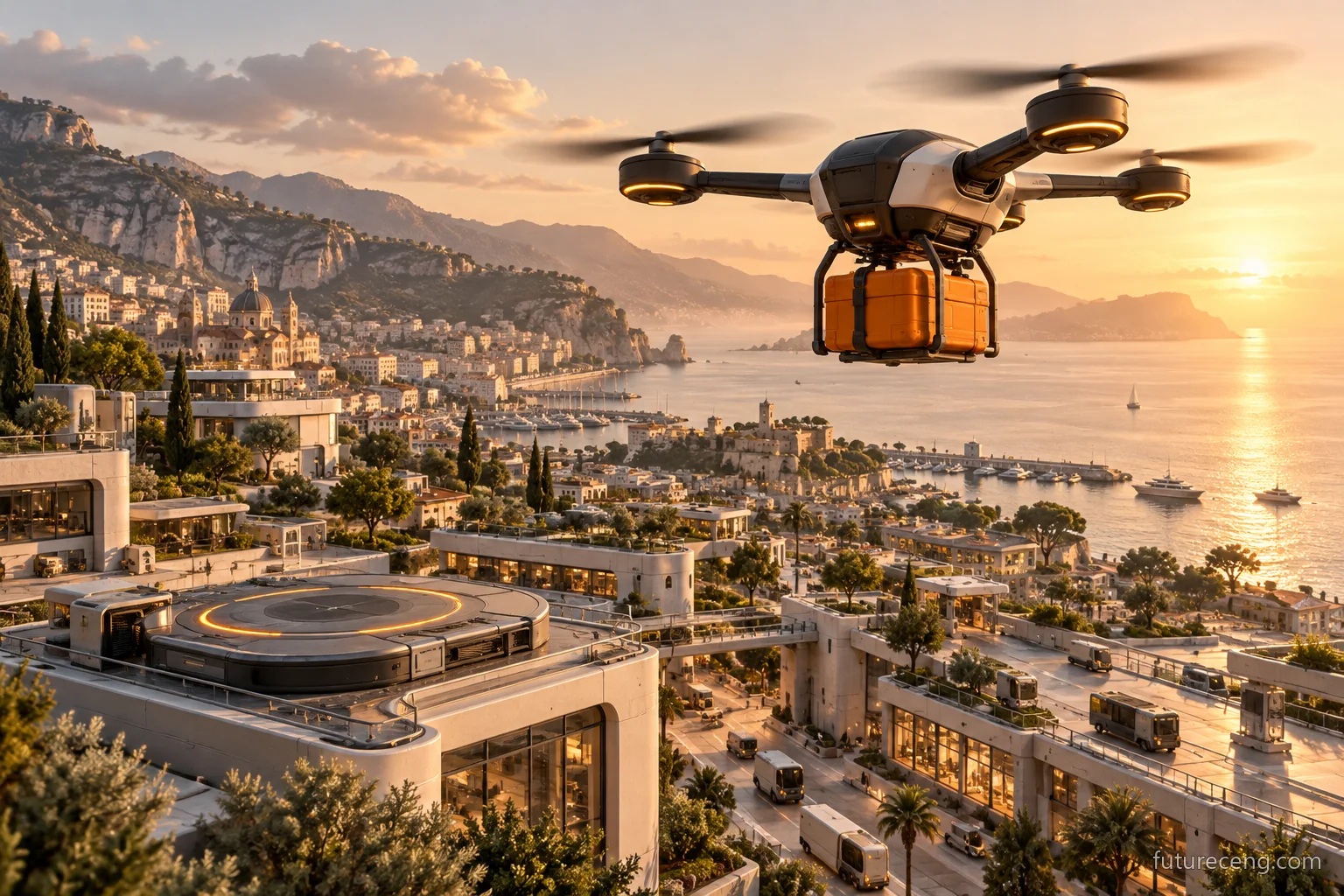
A developer creates a new skill. A business needs that capability. Somewhere else, an available robot could put it to work with the right match.
OpenJobRobotics; the idea of bringing robot owners, manufacturers, software developers and those who want to do business together in a common market. Today, what a robot can do and what another business needs may be unaware of each other. Our dream is to combine these two with open mission definitions. When a skill can be discovered, its compatibility understood, and it can be used for a particular job, the value of the robot is not determined only on the day it was purchased.
On one side of the market, the software that develops task packages will have robots that offer their capabilities on the other side. The business will be able to describe the work it wants to complete before brand names and technical details. Software sales alone won't make this flow work. Compatible equipment, installation requirements, oversight requirements, and acceptance conditions for the job must be seen together. The foundation of the robotic economy is that everyone understands what's being delivered in the same way.
The system described here is a platform concept. A network where every robot can execute every skill instantly has not yet been promised. For starters, a single robot family and open borders may be more valuable than a single mission. When the work is done, the developer software can generate revenue from the capacity the robot owner offers; the commission model of the platform can also be linked to this realized value. The robot's profit is determined by the account of the owner or operator.
What if you could buy the work you need instead of buying an entire robot?
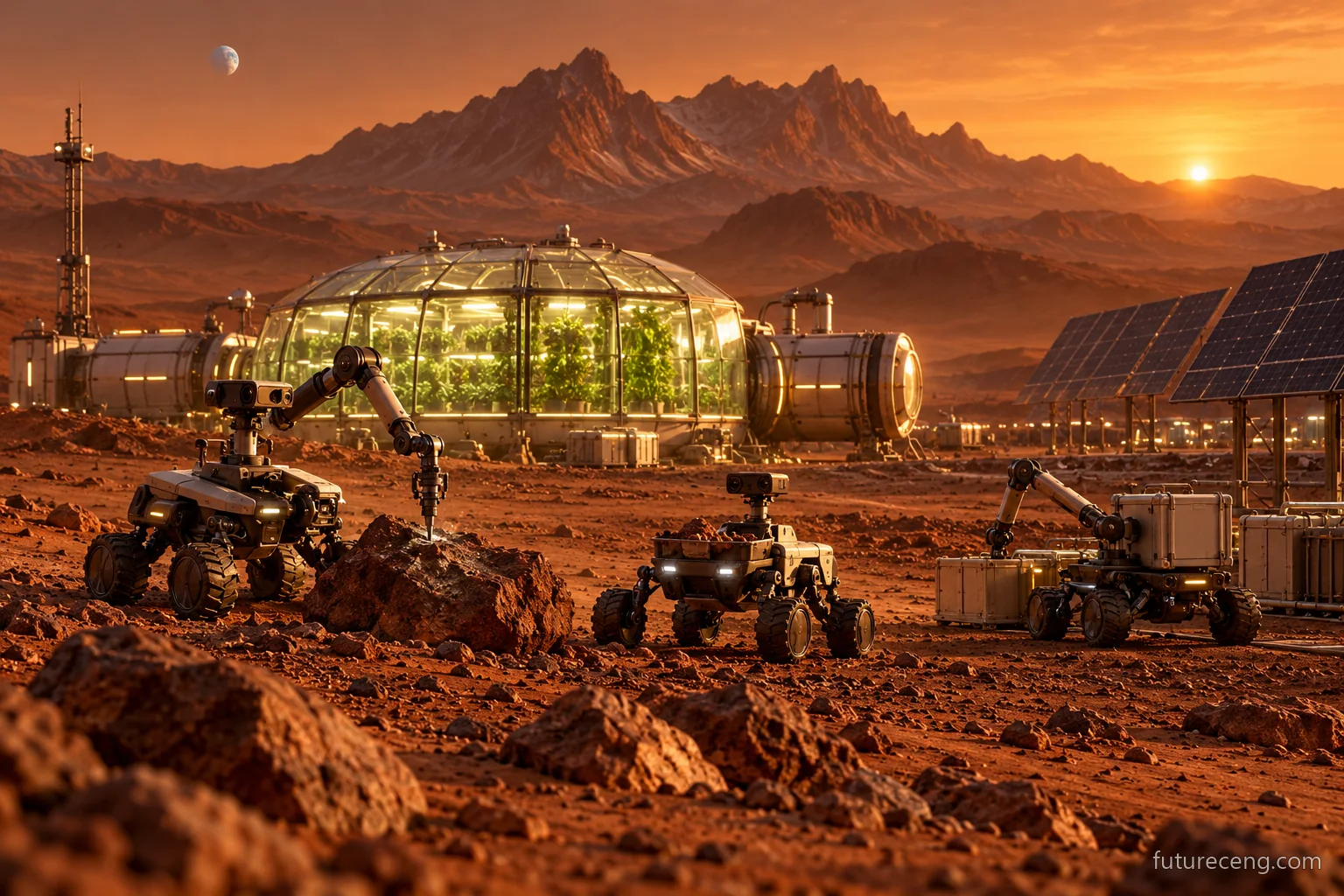
The new idea is to multiply the skills that robots can use before multiplying the number of robots. Gaining value from the same hardware with different tasks can create market access for the developer, business access and use opportunities for the robot owner. The long-term strength of the platform may not come from the number of announcements, but from the knowledge of the work actually completed. When you can figure out what skill works under what conditions, the next matching can be done more consciously.
THINK OF IT AS A SYSTEM.
Four parts.
One connected experience.
Describe the job
Instead of just choosing a robot model, the business defines its target, working environment, and acceptance conditions. Once the boundaries of the task are clear, it becomes clear what both the proposal and the completed work mean.
Matching skills
It comes with the developer's task package supported by the hardware and requirements. A catalog record isn't just an impressive video; it becomes a skill file that can be set up and evaluated.
Turn the power on
The robot owner specifies the suitability, conditions of use and supervision required. Responsibility for the work is not left to the robot in an abstract way; it is explicitly linked to the person or organization who will manage the physical operation. Responsibilities are kept in mind.
Share the result
Registration and payment arrangements shall be carried out in accordance with the conditions foreseen by the parties. The software's contribution to the robot's capability and platform service can be linked to an explicit revenue sharing. The terms of the transaction are explained in advance.
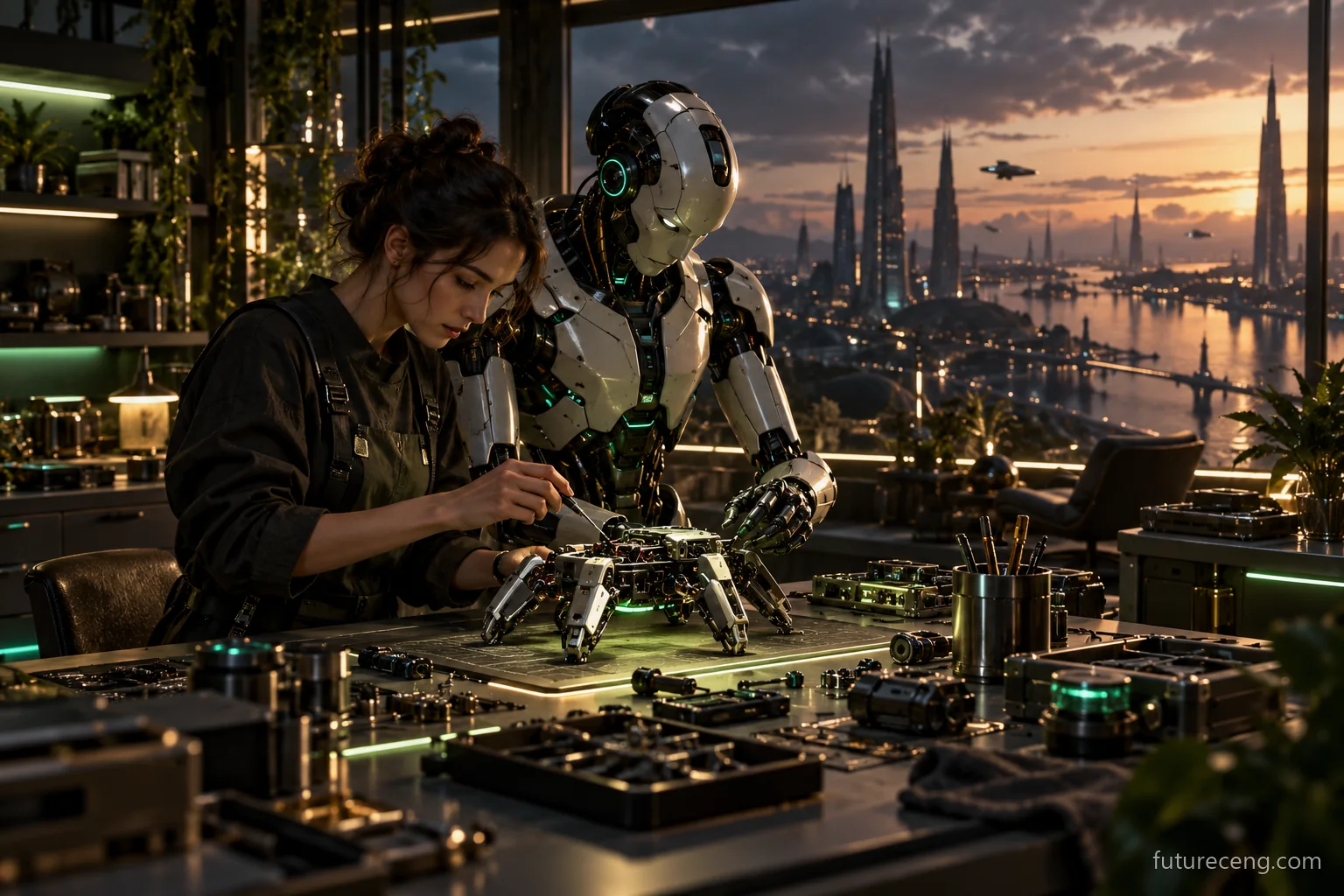 CONCEPT IMAGE
THINK ABOUT THE FUTURE DIFFERENTLY.What a robot can do, he needs someone else.
POSSIBLE EVERYDAY SCENARIOS
Technology matters
when it touches lives.
Let’s look at the intended experience through everyday life.
Free capacity
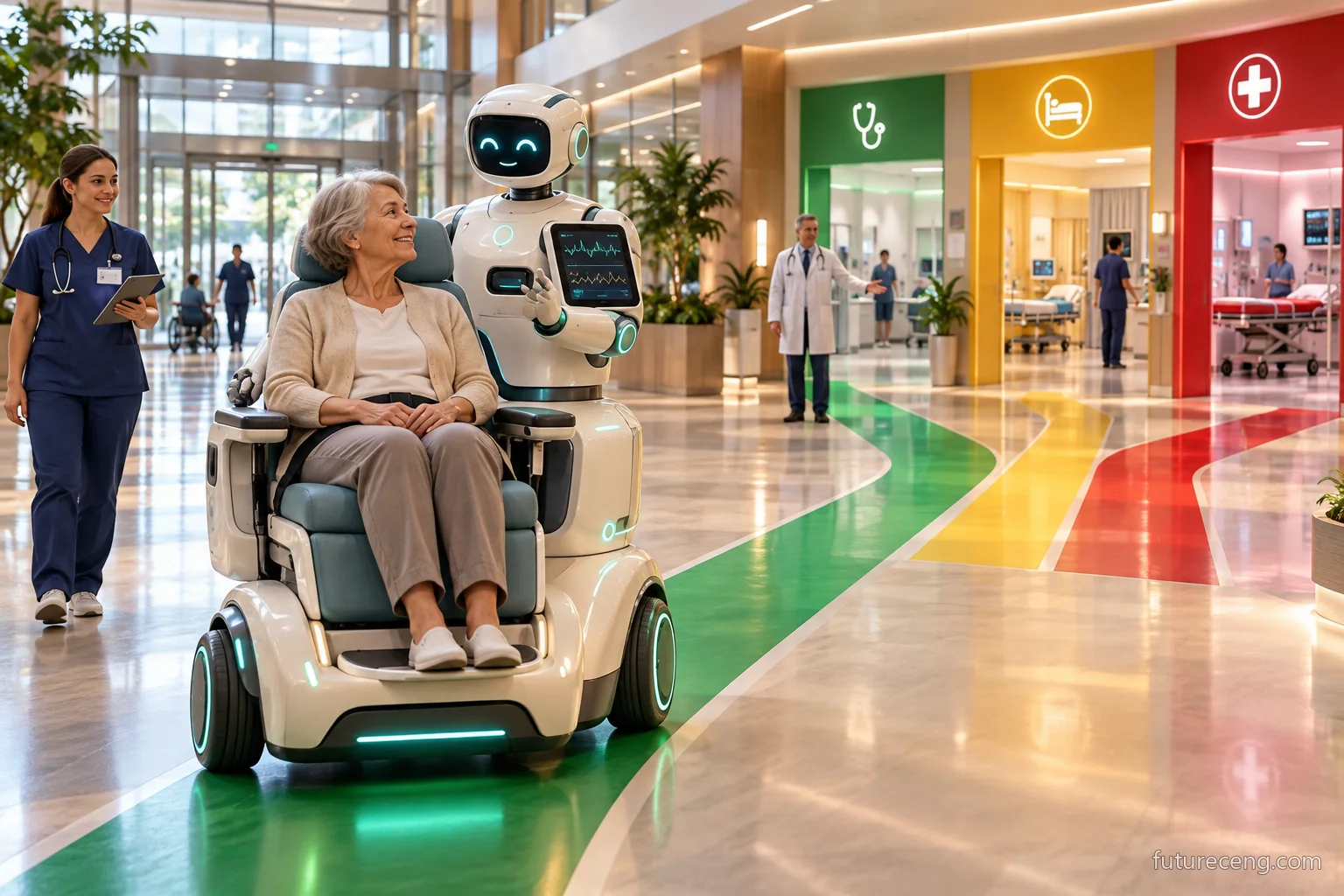
A workshop assigns a robot that it doesn't use at specific times to a suitable task. The ownership investment can be transformed into a capacity that can be valued outside of its own production. Both sides can anticipate the circumstances.
The only developer, the new market
A programmer develops a reusable task pack for the same robot family. Instead of starting from scratch, it can offer every customer a product with clear requirements. Businesses can understand the requirements from the outset.
First attempt by small business
A business wants to try a narrow-scale business before making a big automation investment. The task-based model can help understand the real need and suitability. The result could fuel your next investment decision.
How to change your name / OpenJobRobotics
Today's experience,
What's tomorrow's business?
What tasks can the experience in this work accomplish with new tools?
Knowledge of how to operate a machine can turn into a selling robot skill.
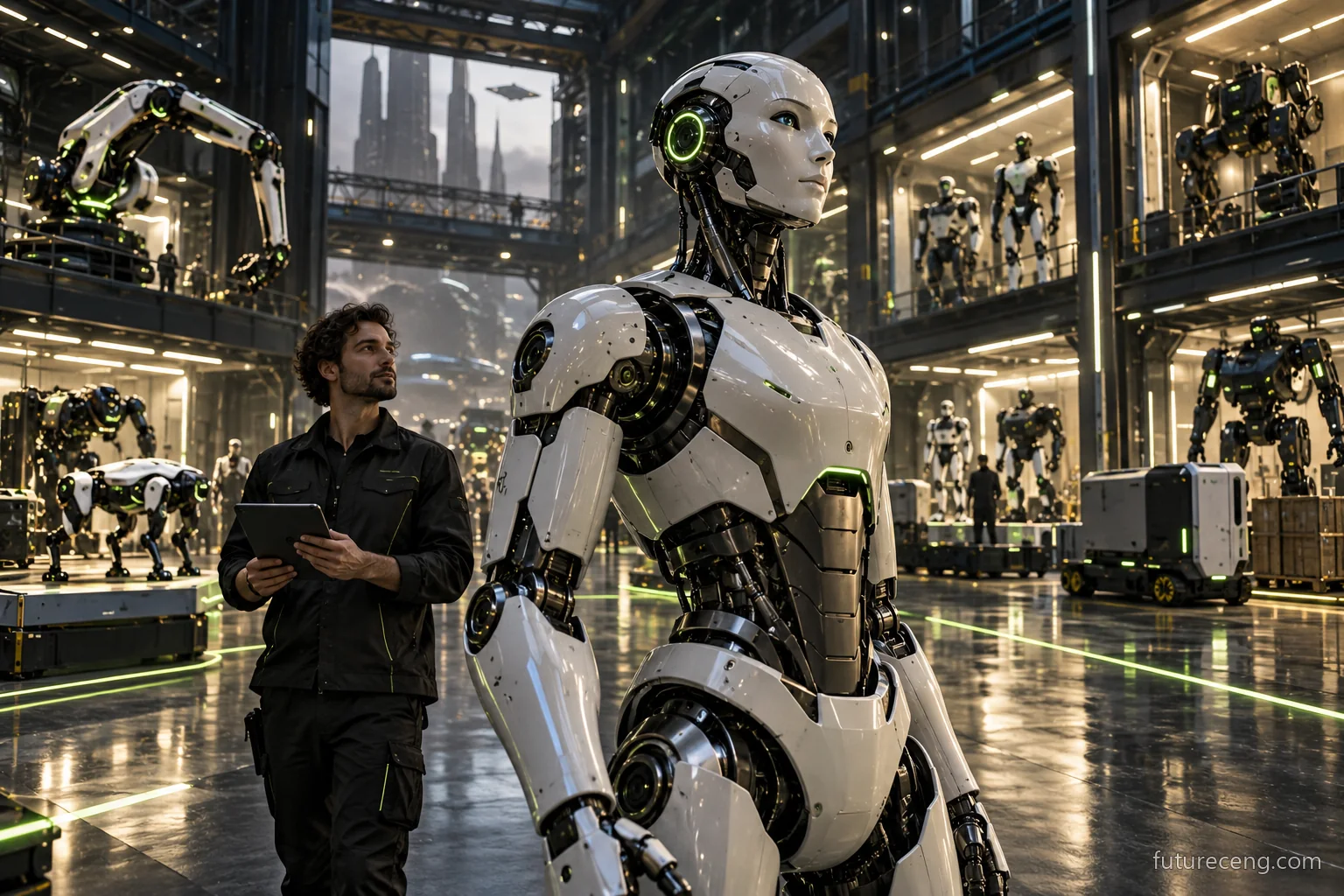
In the OpenJobRobotics vision, the tasks of the automation technician, field service worker, software and production planner can establish new connections. Re-compiling similar installation documents, comparing robot characteristics from catalogues, and moving work results to different files can be done less manually. In turn, it may become more important to understand why a task cannot be completed in a real work environment, verify compliance, and translate the client's request into a measurable job description. A person with workshop experience not only knows how to use a robot, but also what the job entails. This accumulation, combined with software development, testing and service delivery skills, can form the foundation for new roles in the market.
He might try to turn the work done on a single client into a reusable task package. During the day, he writes down the requirements, indicates the equipment supported, and explains the conditions under which the package should be evaluated. Process knowledge learned in field installation combines with software and documentation training; the product becomes a skill not just working code but someone else can understand and use.
They examine whether a task package is truly compatible with the equipment and environment specified in the announcement. It compares test records, asks the developer about the missing conditions, and explains the limits that affect the customer's decision. The habit of troubleshooting and evidence-gathering moves into this role; additionally, he must gain expertise in software versioning, task data, and repeatable evaluation.
It evaluates the client's desired work, along with the available robot capacity and appropriate task packages. It clarifies the scope of the work, records the responsibilities of the parties and tracks how the completion will be accepted. The person who previously managed the schedule and delivery date matches the digital skill with physical ability here; strong communication and planning knowledge provides an important starting point.
Where's the new business idea? Models that can be explored include conformity assessment, installation support, training, and providing robotic capacity for specific tasks, as well as developing the task package. The first question for a workshop might be what repetitive task the existing robot is doing well. For a developer, the question is what conditions must be explained for the same skill to work in other clients; the job opportunity may arise without this encounter.
- Manually matching robot skills from catalogs
- Repeated compilation of compatibility documents
- Manually combine task completion records
- Robot skill developer
- Robot compatibility assessor
- Robot workplace coordinator
- Robot task quality expert
- Human Robot workflow designer
- Robot integration and task definition
- Software testing and documentation
- Field operation and responsibility sharing
The volume of work depends on actual demand and robot compatibility; physical installation and maintenance require appropriate expertise.
Read this transition and other projects in AI 4.0EVIDENCE ALONGSIDE THE VISION
Around the world today
how far have we come?
Universal Robots UR+ Marketplace offers compatibility tested software, components and ready-made robot solutions. The robotic software ecosystem is a real category.
The task, rental and income sharing economy, which covers each brand, is a separate product problem. The robot's earnings should be defined in practice as payments to the robot owner or operator.
PRIMARY SOURCES · LAST CHECKED 26 OCTOBER 2026
A BIG VISION. A MEASURABLE FIRST STEP.
What could we
try first?
Choose a single robot family and a single type of mission. Confirm consistency, price and revenue sharing with the three developer packages and the first hand-managed customer work.
A FEW MORE GOOD QUESTIONS
Questions worth asking.
Can every brand of robot use the same software?
That's not automatically assumed. Equipment, control systems, and working environments may be different. The first stage of the concept should be to clearly define compatibility with a specific robot family. It can extend across brands, moving through supported interfaces and verified task conditions. The expansion thus feeds on real usage knowledge.
What does it mean for robots to make money?
This expression describes the economic value of the work done by the robot. In practice, the payment goes to the robot's owner, operator or service provider specified in the contract. An AI-independent bank account or legal liability model is not recommended on this page. Responsibilities must be identified by the parties involved.
How can developers contribute?
The vision is for developers to create task and skill packages for specific robots and deliver them under understandable conditions. It should be clear what equipment the package is running on, what inputs it needs, and how the outcome of the work will be assessed. It offers a more practical skill than a code file. Reuse depends on maintaining this openness.